
The brain needs the right nutrients to think, learn, and remember. What we eat affects brain development, memory, concentration, and even mood. A well-balanced diet can improve cognitive function and reduce the risk of neurodegenerative diseases such as dementia.
2.1 Macronutrients and micronutrients essential for brain health
Macronutrients – the main nutrients for the human body Macronutrients are the main source of energy for the body, including the brain. They also serve other important functions, as explained in Module 1.
Vitamins and minerals essential for brain function
These nutrients play a key role in maintaining brain health and preventing neurodegenerative diseases.
Additional nutrients that support brain health
2.2. The impact of diet on neurotransmitters and cognitive functions
Every day, the brain processes thousands of stimuli – it determines how we feel, how we learn, and what decisions we make. Its work depends on a complex network of neurons that communicate with each other using special chemical substances called neurotransmitters. Whether we have enough of these substances affects our mood, stress levels, concentration ability, and even how well we sleep.
Although the body produces neurotransmitters on its own, diet plays a key role. What we eat provides the nutrients needed for their production and proper function (Briguglio et al., 2018). So, let us consider how our daily food choices influence the way our brain works.
Can diet improve memory and concentration?
Sometimes we try to focus on studying, but our mind gets distracted easily. It turns out that a diet rich in nutrients that support the production of acetylcholine can help improve concentration and memory. Acetylcholine is a neurotransmitter that is essential for learning and memory processes. It is found in foods like spinach, beans, eggplants, and pumpkin. This is why people who regularly eat vegetables and legumes may notice better focus and attention when working on tasks (Briguglio et al., 2018).
INTERACTIVE ACTIVITY 7



INTERACTIVE ACTIVITY 8



INTERACTIVE ACTIVITY 9




INTERACTIVE ACTIVITY 10



INTERACTIVE ACTIVITY 11




INTERACTIVE ACTIVITY 12
Food as a tool to improve mood and health
What we eat affects not only our body, but also our mind. By choosing the right foods, we can support the production of neurotransmitters that regulate mood, focus, and stress resilience. A diet rich in fresh fruits, vegetables, whole grains, and healthy fats helps maintain the brain’s chemical balance and improves overall well-being.
Next time you feel tired, stressed, or unmotivated, think about what you’ve been eating. Instead of reaching for another cup of coffee, try a banana, a handful of nuts, or a cup of green tea (Briguglio et al., 2018).
2.3. Which substances are harmful to the brain?
Some foods can negatively affect brain function and speed up brain aging:
- Trans fats and highly processed foods – may cause inflammation in the brain, worsen memory, and increase the risk of neurodegenerative diseases.
- Refined sugar – too much sugar leads to blood glucose spikes and drops, causing problems with concentration and fatigue.
- Excess salt – can raise blood pressure and increase the risk of memory problems.
Have you ever wondered how your daily food choices affect your brain – your concentration, memory, or even how quickly your brain ages?
2.4. How to maintain a brain-healthy diet?
Keeping the brain healthy requires making conscious food choices that support its function. Below are recommendations based on the guidelines of the World Health Organization (WHO).
Dietary recommendations for brain health
- Follow a Mediterranean-style diet that includes fruits, vegetables, legumes (e.g. lentils, beans), nuts, and whole grains (e.g. unprocessed corn, millet, oats, wheat, brown rice).
- Eat at least 400 g (five portions) of vegetables and fruits per day.
Potatoes, sweet potatoes, and other starchy root vegetables are not counted in this category.
- Limit free sugar intake to less than 10% of total daily calories
(that’s about 50 g or 10 teaspoons of sugar for a person with a healthy body weight consuming about 2000 kcal per day).
👉 For additional health benefits, it is best to reduce sugar to less than 5% of total daily calories (25 g).
👉 Free sugars include those added to foods and drinks by manufacturers, cooks, or consumers, and those naturally present in honey, syrups, fruit juices, and fruit juice concentrates.
- Fats should make up less than 30% of total daily calories.
👉 Choose unsaturated fats (found in fish, avocados, nuts, sunflower oil, canola oil, and olive oil).
👉 Avoid saturated fats (found in fatty meats, butter, palm and coconut oil, cream, cheese, and ghee).
👉 Trans fats are harmful!
🚫 Avoid industrial trans fats (found in processed foods, fried foods, baked goods, hard margarine, and spreads) as well as naturally occurring trans fats from ruminant animal products (e.g. beef, lamb, goat, and dairy).
👉 Limit saturated fats to less than 10% and trans fats to less than 1% of total daily calories.
- Consume less than 5 g of iodized salt per day (about 1 teaspoon).
A brain-healthy diet is based on natural, unprocessed foods that support cognitive function and protect against neurodegenerative diseases!
(Source: Risk Reduction of Cognitive Decline and Dementia: WHO Guidelines. Geneva: World Health Organization; 2019.)
A healthy diet is key to proper brain function. The most important principles are:
• Eating balanced meals rich in complex carbohydrates, protein, and healthy fats.
• Regularly supplying vitamins and minerals, especially B12, D, iron, magnesium, and antioxidants.
• Avoiding high processed foods, excess sugar, trans fats, and too much salt.
• Including natural plant-based compounds in the diet that support brain health and protect against aging (e.g. flavonoids, polyphenols), as well as probiotics and fiber, which help protect the brain from damage and support its function.
Healthy eating not only improves concentration, memory, and mood, but can also reduce the risk of neurodegenerative diseases. The earlier we start caring about our diet, the better it will be for our brain in the future!
Healthy eating is based on consuming a variety of food groups that provide the brain with essential nutrients. Some foods help improve memory, focus, and cognitive function, while others may lead to low energy and reduced mental performance. The table below presents examples of brain-friendly food choices and foods that should be limited or avoided (Puri et al., 2023).
| Food Group | Best choices | Limit or avoid |
| Grain products | Whole grain bread, brown rice, groats, oats | White bread, sweet pastries, products high in sugar |
| Fish and healthy fats | Salmon, mackerel, sardines, olive oil, nuts | Fatty meats, palm oil |
| Meat | Chicken, turkey, tofu, legumes | Red meat, processed meats |
| Dairy products | Plain yogurt, low-fat milk | Full-fat cheese, cream, ice cream |
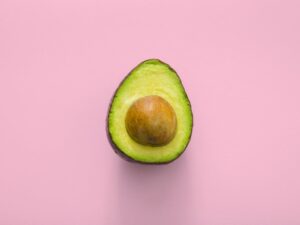
| Brain superfood | Berries, avocado, olive oil | Highly processed foods |
Have you ever wondered how your daily food choices affect your brain – your concentration, memory, or even how quickly your brain ages?
2.5. Breakfast
Breakfast is the most important meal of the day because it provides the energy needed for effective brain function. Eating a healthy breakfast regularly improves memory, concentration, and problem-solving skills. Skipping breakfast can lead to a drop in blood sugar levels, resulting in fatigue and learning difficulties (Puri et al., 2023)
✔ Research shows that people who eat breakfast regularly perform better on memory and concentration tests than those who skip it.
✔ Eating the right kind of breakfast improves information processing speed and problem-solving ability.
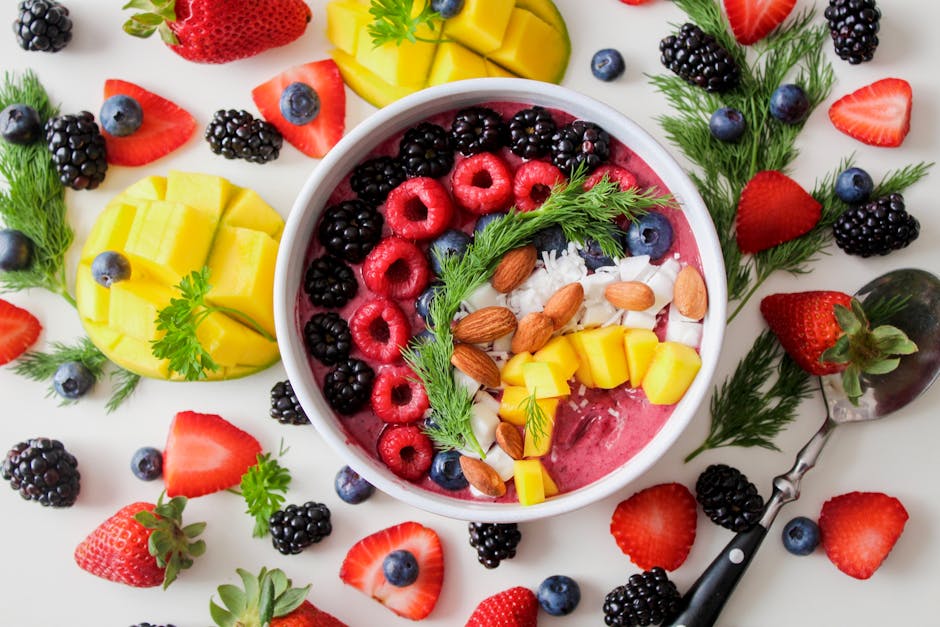
✔ Best breakfast foods include:
• Whole grain oats
• Plain yogurt
• Fruits (e.g. berries)
• Nuts
❌ Avoid breakfasts rich in simple sugars (e.g. sweetened breakfast cereals, pastries), which can cause rapid spikes and drops in energy.
INTERACTIVE ACTIVITY 13
| References |
| Puri, S., Shaheen, M., & Grover, B. (2023). Nutrition and cognitive health: A life course approach. Frontiers in Public Health, 11, 1023907. https://doi.org/10.3389/fpubh.2023.1023907 Briguglio, M., Dell’Osso, B., Panzica, G., Malgaroli, A., Banfi, G., Zanaboni Dina, C., Galentino, R., & Porta, M. (2018). Dietary neurotransmitters: A narrative review on current knowledge. Nutrients, 10(5), 591. https://doi.org/10.3390/nu10050591 World Health Organization. (2019). Risk reduction of cognitive decline and dementia: WHO guidelines. Geneva: World Health Organization. |


