
Mózg potrzebuje odpowiednich składników odżywczych, aby myśleć, uczyć się i zapamiętywać. To, co jemy, wpływa na rozwój mózgu, pamięć, koncentrację, a nawet nastrój. Dobrze zbilansowana dieta może poprawić funkcje poznawcze i zmniejszyć ryzyko chorób neurodegeneracyjnych, takich jak demencja.
2.1 Makroskładniki i mikroskładniki niezbędne dla zdrowia mózgu
Makroskładniki – główne składniki odżywcze dla organizmu człowieka. Makroskładniki są głównym źródłem energii dla organizmu, w tym dla mózgu. Pełnią również inne ważne funkcje, jak wyjaśniono w Module 1.
Witaminy i minerały niezbędne do prawidłowego funkcjonowania mózgu
Te składniki odżywcze odgrywają kluczową rolę w utrzymaniu zdrowia mózgu i zapobieganiu chorobom neurodegeneracyjnym.
Dodatkowe składniki odżywcze wspomagające zdrowie mózgu
2.2. Wpływ diety na neuroprzekaźniki i funkcje poznawcze
Każdego dnia mózg przetwarza tysiące bodźców – decyduje o tym, jak się czujemy, jak się uczymy i jakie decyzje podejmujemy. Jego działanie opiera się na złożonej sieci neuronów, które komunikują się ze sobą za pomocą specjalnych substancji chemicznych zwanych neuroprzekaźnikami. To, czy mamy ich wystarczająco dużo, wpływa na nasz nastrój, poziom stresu, zdolność koncentracji, a nawet jakość snu.
Chociaż organizm sam produkuje neuroprzekaźniki, dieta odgrywa kluczową rolę. To, co jemy, dostarcza składników odżywczych niezbędnych do ich produkcji i prawidłowego funkcjonowania (Briguglio i in., 2018). Zastanówmy się zatem, jak nasze codzienne wybory żywieniowe wpływają na funkcjonowanie naszego mózgu.
Czy dieta może poprawić pamięć i koncentrację?
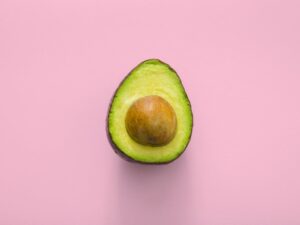
Czasami próbujemy skupić się na nauce, ale nasz umysł łatwo ulega rozproszeniu. Okazuje się, że dieta bogata w składniki odżywcze, które wspomagają produkcję acetylocholiny, może pomóc poprawić koncentrację i pamięć. Acetylocholina to neuroprzekaźnik niezbędny do uczenia się i zapamiętywania. Występuje w takich produktach jak szpinak, fasola, bakłażany i dynia. Dlatego osoby regularnie spożywające warzywa i rośliny strączkowe mogą zauważyć lepszą koncentrację i uwagę podczas wykonywania zadań (Briguglio i in., 2018).
AKTYWNOŚĆ INTERAKTYWNA 7



AKTYWNOŚĆ INTERAKTYWNA 8



AKTYWNOŚĆ INTERAKTYWNA 9




AKTYWNOŚĆ INTERAKTYWNA 10



AKTYWNOŚĆ INTERAKTYWNA 11




AKTYWNOŚĆ INTERAKTYWNA 12
Jedzenie jako narzędzie poprawy nastroju i zdrowia
To, co jemy, wpływa nie tylko na nasze ciało, ale także na umysł. Wybierając odpowiednie produkty spożywcze, możemy wspierać produkcję neuroprzekaźników, które regulują nastrój, koncentrację i odporność na stres. Dieta bogata w świeże owoce, warzywa, produkty pełnoziarniste i zdrowe tłuszcze pomaga utrzymać równowagę chemiczną mózgu i poprawia ogólne samopoczucie.
Następnym razem, gdy poczujesz się zmęczony, zestresowany lub pozbawiony motywacji, pomyśl o tym, co jadłeś. Zamiast sięgać po kolejną filiżankę kawy, spróbuj banana, garści orzechów lub filiżanki zielonej herbaty (Briguglio i in., 2018).
2.3. Które substancje są szkodliwe dla mózgu?
Niektóre produkty spożywcze mogą negatywnie wpływać na funkcjonowanie mózgu i przyspieszać jego starzenie się:
- Tłuszcze trans i wysoko przetworzona żywność – mogą powodować stany zapalne mózgu, pogarszać pamięć i zwiększać ryzyko chorób neurodegeneracyjnych.
- Cukier rafinowany – zbyt duża ilość cukru powoduje skoki i spadki poziomu glukozy we krwi, powodując problemy z koncentracją i zmęczenie.
- Nadmiar soli – może podnieść ciśnienie krwi i zwiększyć ryzyko problemów z pamięcią.
Czy zastanawiałeś się kiedyś, jaki wpływ na mózg mają codzienne wybory żywieniowe – koncentracja, pamięć, a nawet szybkość starzenia się mózgu?
2.4. Jak stosować dietę zdrową dla mózgu?
Aby utrzymać mózg w zdrowiu, należy dokonywać świadomych wyborów żywieniowych, które wspierają jego funkcjonowanie. Poniżej znajdują się zalecenia oparte na wytycznych Światowej Organizacji Zdrowia (WHO).
Zalecenia dietetyczne dla zdrowia mózgu
- Stosuj dietę śródziemnomorską, która zawiera owoce, warzywa, rośliny strączkowe (np. soczewicę, fasolę), orzechy i produkty pełnoziarniste (np. nieprzetworzoną kukurydzę, proso, owies, pszenicę, brązowy ryż).
- Spożywaj co najmniej 400 g (pięć porcji) warzyw i owoców dziennie.
Ziemniaki, bataty i inne skrobiowe warzywa korzeniowe nie są wliczane do tej kategorii.
- Ogranicz spożycie cukru do mniej niż 10% dziennego zapotrzebowania kalorycznego
(to około 50 g lub 10 łyżeczek cukru dla osoby o prawidłowej masie ciała, spożywającej około 2000 kcal dziennie).
👉 Aby uzyskać dodatkowe korzyści zdrowotne, najlepiej ograniczyć spożycie cukru do mniej niż 5% dziennego zapotrzebowania kalorycznego (25 g).
👉 Cukry dodawane do żywności i napojów przez producentów, kucharzy lub konsumentów, a także te naturalnie występujące w miodzie, syropach, sokach owocowych i koncentratach soków owocowych.
- Tłuszcze powinny stanowić mniej niż 30% dziennego zapotrzebowania kalorycznego.
👉 Wybieraj tłuszcze nienasycone (znajdujące się w rybach, awokado, orzechach, oleju słonecznikowym, oleju rzepakowym i oliwie z oliwek).
👉 Unikaj tłuszczów nasyconych (znajdujących się w tłustym mięsie, maśle, oleju palmowym i kokosowym, śmietanie, serze i ghee).
👉 Tłuszcze trans są szkodliwe!
🚫 Unikaj przemysłowych tłuszczów trans (znajdujących się w żywności przetworzonej, smażonej, wypiekanej, twardej margarynie i smarowidłach), a także naturalnie występujących tłuszczów trans z produktów przeżuwaczy (np. wołowiny, jagnięciny, kozy i nabiału).
👉 Ogranicz spożycie tłuszczów nasyconych do mniej niż 10%, a tłuszczów trans do mniej niż 1% dziennego zapotrzebowania kalorycznego.
- Spożywaj mniej niż 5 g soli jodowanej dziennie (około 1 łyżeczki).
Dieta korzystna dla mózgu opiera się na naturalnej, nieprzetworzonej żywności, która wspiera funkcje poznawcze i chroni przed chorobami neurodegeneracyjnymi!
(Źródło: Ograniczanie ryzyka pogorszenia funkcji poznawczych i demencji: Wytyczne WHO. Genewa: Światowa Organizacja Zdrowia; 2019.)
Zdrowa dieta jest kluczem do prawidłowego funkcjonowania mózgu. Najważniejsze zasady to:
• Spożywanie zbilansowanych posiłków bogatych w złożone węglowodany, białko i zdrowe tłuszcze.
• Regularne dostarczanie witamin i minerałów, zwłaszcza witaminy B12, D, żelaza, magnezu i przeciwutleniaczy.
• Unikaj żywności wysoko przetworzonej, nadmiaru cukru, tłuszczów trans i zbyt dużej ilości soli.
• Włączenie do diety naturalnych związków roślinnych, które wspomagają zdrowie mózgu i chronią przed starzeniem (np. flawonoidy, polifenole), a także probiotyków i błonnika, które pomagają chronić mózg przed uszkodzeniami i wspomagają jego funkcjonowanie.
Zdrowe odżywianie nie tylko poprawia koncentrację, pamięć i nastrój, ale może również zmniejszyć ryzyko chorób neurodegeneracyjnych. Im wcześniej zaczniemy dbać o naszą dietę, tym lepiej będzie ona działać na nasz mózg w przyszłości!
Zdrowe odżywianie opiera się na spożywaniu różnorodnych grup produktów spożywczych, które dostarczają mózgowi niezbędnych składników odżywczych. Niektóre produkty spożywcze poprawiają pamięć, koncentrację i funkcje poznawcze, podczas gdy inne mogą prowadzić do spadku energii i obniżenia sprawności umysłowej. Poniższa tabela przedstawia przykłady produktów spożywczych korzystnych dla mózgu oraz produktów, których spożycie należy ograniczyć lub unikać (Puri i in., 2023).
| Grupa żywnościowa | Najlepsze wybory | Ogranicz lub unikaj |
| Produkty zbożowe | Chleb pełnoziarnisty, brązowy ryż, kasza, owies | Biały chleb, słodkie wypieki, produkty o wysokiej zawartości cukru |
| Ryby i zdrowe tłuszcze | Łosoś, makrela, sardynki, oliwa z oliwek, orzechy | Tłuste mięso, olej palmowy |
| Mięso | Chicken, turkey, tofu, legumes | Mięso czerwone, przetworzone |
| Produkty mleczne | Jogurt naturalny, mleko o obniżonej zawartości tłuszczu | Pełnotłusty ser, śmietana, lody |
| Superżywność dla mózgu | Jagody, awokado, oliwa z oliwek | Wysoko przetworzona żywność |
Czy zastanawiałeś się kiedyś, jaki wpływ na mózg mają codzienne wybory żywieniowe – koncentracja, pamięć, a nawet szybkość starzenia się mózgu?
2.5. Śniadanie
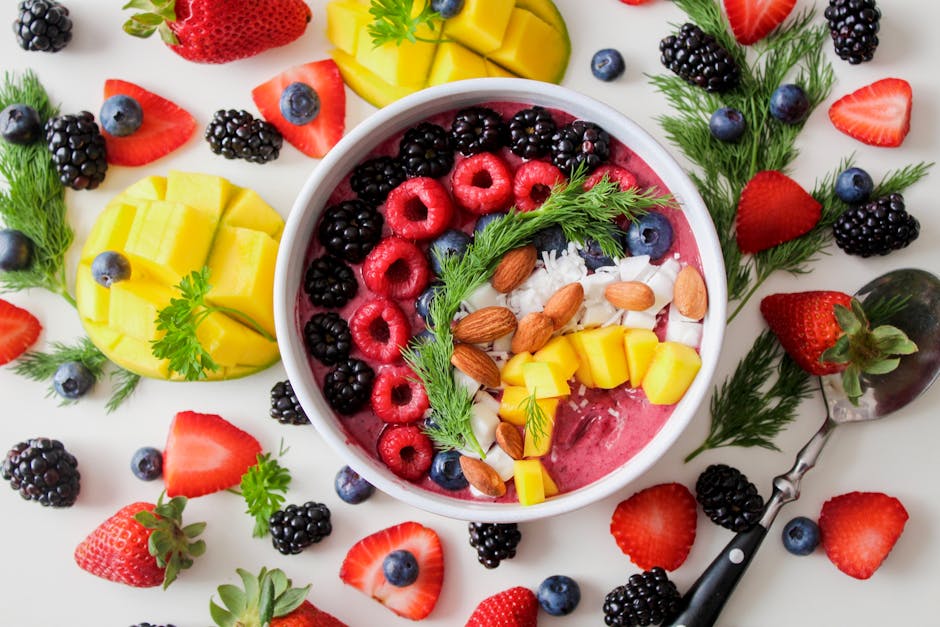
Śniadanie to najważniejszy posiłek dnia, ponieważ dostarcza energii niezbędnej do efektywnego funkcjonowania mózgu. Regularne spożywanie zdrowego śniadania poprawia pamięć, koncentrację i umiejętności rozwiązywania problemów. Pominięcie śniadania może prowadzić do spadku poziomu cukru we krwi, co skutkuje zmęczeniem i trudnościami w uczeniu się (Puri i in., 2023).
✔ Badania pokazują, że osoby, które regularnie jedzą śniadanie, osiągają lepsze wyniki w testach pamięci i koncentracji niż osoby, które je pomijają.
✔ Spożywanie odpowiedniego rodzaju śniadania poprawia szybkość przetwarzania informacji i zdolność rozwiązywania problemów.
✔ Najlepsze produkty śniadaniowe to:
• Płatki owsiane pełnoziarniste
• Jogurt naturalny
• Owoce (np. jagody)
• Orzechy
❌ Unikaj śniadań bogatych w proste cukry (np. słodzonych płatków śniadaniowych, ciastek), które mogą powodować gwałtowne wzrosty i spadki energii.
AKTYWNOŚĆ INTERAKTYWNA 13
| Odniesienia |
| Puri, S., Shaheen, M. i Grover, B. (2023). Odżywianie i zdrowie poznawcze: podejście uwzględniające cały cykl życia. Frontiers in Public Health, 11, 1023907. https://doi.org/10.3389/fpubh.2023.1023907 Briguglio, M., Dell’Osso, B., Panzica, G., Malgaroli, A., Banfi, G., Zanaboni Dina, C., Galentino, R. i Porta, M. (2018). Neuroprzekaźniki dietetyczne: przegląd narracyjny aktualnej wiedzy. Nutrients, 10(5), 591. https://doi.org/10.3390/nu10050591 Światowa Organizacja Zdrowia. (2019). Zmniejszanie ryzyka pogorszenia funkcji poznawczych i demencji: wytyczne WHO. Genewa: Światowa Organizacja Zdrowia. |


