
Typowe niedobory żywieniowe u pacjentów psychiatrycznych
Mechanizmy prowadzące do niedoborów składników odżywczych u pacjentów z zaburzeniami psychicznymi
Niedobory składników odżywczych u pacjentów z zaburzeniami psychicznymi wynikają nie tylko z nieprawidłowej diety, ale również z mechanizmów biologicznych, które zaburzają wchłanianie i metabolizm składników odżywczych. W tej części szczegółowo wyjaśnimy, dlaczego osoby z zaburzeniami psychicznymi często cierpią na niedobory witamin i minerałów oraz jakie procesy za tym stoją (Zielińska i in., 2023; Onaolapo i Onaolapo, 2021; Rao i in., 2008).
1. Zaburzenia wchłaniania i metabolizmu składników odżywczych
Wchłanianie składników odżywczych to proces, w którym jelita pobierają witaminy, minerały i inne substancje niezbędne do prawidłowego funkcjonowania organizmu. Po wchłonięciu składniki te są transportowane do różnych tkanek, gdzie pełnią kluczowe funkcje – takie jak wspieranie funkcji mózgu, regulacja metabolizmu i udział w produkcji neuroprzekaźników. Jednak u osób z zaburzeniami psychicznymi proces ten może być zaburzony. Zespół złego wchłaniania może oznaczać, że pacjent spożywa odpowiednią ilość składników odżywczych, ale organizm nie jest w stanie ich skutecznie wchłonąć. W rezultacie mogą wystąpić niedobory, które mogą zaostrzać objawy choroby psychicznej.
Główne przyczyny zaburzeń wchłaniania i metabolizmu składników odżywczych u pacjentów psychiatrycznych:
- Zmiany mikrobiomu jelitowego (dysbioza);
- Zapalenie jelit – Zapalenie jelit to nadmierna aktywacja układu odpornościowego, która uszkadza wyściółkę jelit i upośledza jej funkcję wchłaniania.
- Nietolerancje pokarmowe i choroby autoimmunologiczne (np. celiakia);
- Zaburzenia transportu substancji odżywczych do mózgu.
Do najczęstszych problemów z wchłanianiem należą:
A. Nietolerancja glutenu i celiakia u pacjentów ze schizofrenią (Onaolapo & Onaolapo 2021):
- Coeliac disease is an autoimmune condition in which the consumption of gluten (a protein found in wheat, rye and barley) triggers an immune response that damages the villi in the small intestine. These villi are responsible for nutrient absorption, so their damage leads to deficiencies in iron, zinc, calcium, magnesium, B vitamins and vitamin D.
- Gluten intolerance is a slightly milder condition in which gluten causes inflammatory reactions in the intestines but does not lead to permanent damage of the villi. However, chronic inflammation can still limit the absorption of key vitamins and minerals, increasing the risk of nutritional deficiencies.
Przewlekły stan zapalny, szczególnie w jelitach, może negatywnie wpływać na zdolność organizmu do wchłaniania składników odżywczych. Przyczyny stanu zapalnego (Onaolapo i Onaolapo 2021):
- Zwiększona przepuszczalność jelit (tzw. „nieszczelne jelito”), co oznacza, że składniki odżywcze nie są prawidłowo wchłaniane, a szkodliwe substancje mogą przedostawać się do krwiobiegu, wywołując dalsze reakcje zapalne;
- Zaburzona produkcja enzymów trawiennych, co utrudnia prawidłowe trawienie i wchłanianie składników odżywczych.



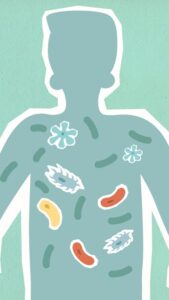
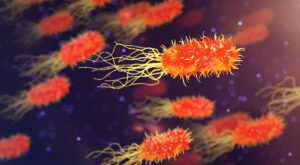
B. Zaburzenia mikrobiomu jelitowego (dysbioza) u pacjentów z depresją i schizofrenią Mikrobiom jelitowy – zbiór bakterii bytujących w przewodzie pokarmowym – odgrywa kluczową rolę w zdrowiu psychicznym i metabolizmie składników odżywczych. U pacjentów z zaburzeniami psychicznymi często obserwuje się następujące objawy:
- Obniżony poziom pożytecznych bakterii: bakterie jelitowe wspomagają produkcję niektórych witamin, takich jak witamina K, biotyna i kwas foliowy (B9). Niedobory tych składników odżywczych mogą zaburzać metabolizm neuroprzekaźników, takich jak serotonina i dopamina, zwiększając ryzyko depresji i zaburzeń lękowych.
- Zwiększony poziom bakterii chorobotwórczych: niektóre szkodliwe bakterie mogą powodować przewlekły stan zapalny, uszkadzać wyściółkę jelit i osłabiać zdolność organizmu do wchłaniania składników odżywczych, co może zaostrzać objawy chorób psychicznych (Onaolapo & Onaolapo 2021).

C. Podwyższony poziom homocysteiny u pacjentów ze schizofrenią
- Homocysteina to aminokwas wytwarzany podczas metabolizmu białek. Wysoki poziom homocysteiny wiąże się ze zwiększonym ryzykiem chorób serca i zaburzeń neurologicznych. U pacjentów z depresją i schizofrenią często obserwuje się podwyższony poziom homocysteiny, co sugeruje niedobór witamin B6, B9 i B12 – niezbędnych do neutralizacji homocysteiny. Nadmiar homocysteiny może uszkadzać naczynia krwionośne w mózgu, zwiększając ryzyko zaburzeń nastroju, problemów z pamięcią i nasilenia objawów schizofrenii (Onaolapo i Onaolapo, 2021).

2. Zwiększone zapotrzebowanie na składniki odżywcze
Osoby cierpiące na choroby psychiczne często mają wyższe zapotrzebowanie na składniki odżywcze niż osoby zdrowe. Może to wynikać z kilku czynników, takich jak:
- Podwyższony poziom hormonów stresu, np. kortyzolu.
- Przyspieszona przemiana materii w mózgu.
- Wpływ leków psychotropowych na równowagę składników odżywczych.
- Przewlekłe zmęczenie i niedobory będące skutkiem złej diety.
- Wzrost aktywności zapalnej i stresu oksydacyjnego.
These factors mean that psychiatric patients may need more vitamins, minerals, and omega-3 fatty acids than healthy individuals in order to maintain proper brain and nervous system function (Onaolapo & Onaolapo 2021).
Zwiększona aktywność zapalna i stres oksydacyjny
- Celiakia to choroba autoimmunologiczna, w której spożywanie glutenu (białka występującego w pszenicy, życie i jęczmieniu) wywołuje reakcję immunologiczną. Stres oksydacyjny to stan, w którym w organizmie występuje nadmiar wolnych rodników – reaktywnych cząsteczek, które mogą uszkadzać komórki, w tym neurony w mózgu.
- Badania pokazują, że osoby cierpiące na schizofrenię, depresję i chorobę afektywną dwubiegunową mają wyższy poziom stresu oksydacyjnego, który prowadzi do uszkodzeń neuronów i upośledzenia funkcji poznawczych.
- Mózg jest szczególnie podatny na działanie wolnych rodników, ponieważ zużywa duże ilości tlenu i zawiera wysokie stężenia wielonienasyconych kwasów tłuszczowych, które są podatne na utlenianie.
Które składniki odżywcze pomagają zwalczać stres oksydacyjny?
- Witaminy antyoksydacyjne (witamina C, witamina E, beta-karoten) – neutralizują wolne rodniki i chronią neurony przed uszkodzeniami.
- Cynk i selen – wspomagają działanie enzymów antyoksydacyjnych, takich jak dysmutaza ponadtlenkowa, która chroni komórki mózgowe.
- Kwasy tłuszczowe omega-3 – zmniejszają stany zapalne w mózgu i wspomagają regenerację neuronów (Onaolapo & Onaolapo, 2021).



Podwyższony poziom hormonów stresu, takich jak kortyzol
- Kortyzol to hormon stresu, który w odpowiednich ilościach jest niezbędny do prawidłowego funkcjonowania organizmu, jednak przewlekle podwyższony poziom kortyzolu może prowadzić do zaburzeń psychicznych, takich jak depresja i lęk (Zielińska i in., 2023).
- Wysoki poziom kortyzolu może prowadzić do:
✔ zwiększonego niedoboru magnezu, który jest kluczowy dla funkcjonowania układu nerwowego;
✔ niedoboru witamin z grupy B, niezbędnych do produkcji neuroprzekaźników, takich jak serotonina;
✔ zaburzenia równowagi wapniowo-magnezowej, co może nasilać objawy lęku i drażliwości (Zielińska i in., 2023)
- Które składniki odżywcze pomagają regulować poziom kortyzolu?
- Magnez – działa uspokajająco na układ nerwowy i łagodzi skutki przewlekłego stresu.
- Witaminy z grupy B (B6, B9, B12) – wspomagają funkcjonowanie układu nerwowego i pomagają regulować poziom kortyzolu.
- Kwasy tłuszczowe omega-3 – mogą obniżać poziom kortyzolu i poprawiać odporność na stres (Zielińska i in., 2023).


Zwiększony metabolizm mózgu i zapotrzebowanie na energię
- Mózg zużywa około 20% całkowitej energii organizmu, ale u osób z zaburzeniami psychicznymi może potrzebować jeszcze więcej energii i składników odżywczych.
- In depression and schizophrenia, glucose metabolism is often impaired, meaning that brain cells may have difficulty obtaining energy. This can lead to:
✔ impaired cognitive function (memory and concentration problems);
✔ low mood and increased irritability;
✔ disrupted neurotransmitter production (Onaolapo & Onaolapo, 2021).
Które składniki odżywcze wspomagają metabolizm mózgu?
✔ Kwasy tłuszczowe omega-3 – dostarczają energii i wspierają błony komórkowe neuronów.
✔ Koenzym Q10 – wspomaga produkcję energii w mitochondriach, „elektrowniach” komórek mózgowych.
✔ Witaminy z grupy B – pomagają przekształcać glukozę w energię (Onaolapo & Onaolapo, 2021).


3. Skutki uboczne leków psychotropowych i niedobory składników odżywczych
Leki psychotropowe stosowane w leczeniu takich schorzeń jak schizofrenia, depresja, choroba afektywna dwubiegunowa i stany lękowe są niezbędne w terapii, ale mogą prowadzić do niedoborów składników odżywczych poprzez kilka mechanizmów:
• upośledzone wchłanianie witamin i minerałów;
• zwiększone wydalanie składników odżywczych;
• zmiany metaboliczne prowadzące do insulinooporności i otyłości;
• wpływ na apetyt, skutkujący nieprawidłowym odżywianiem.
Każdy z tych mechanizmów może powodować niedobory, które mogą osłabiać skuteczność leczenia psychiatrycznego i negatywnie wpływać na jakość życia klienta/pacjenta.
Które składniki odżywcze mogą ulec wyczerpaniu w wyniku stosowania leków psychotropowych?
✔ Leki przeciwpsychotyczne (stosowane w schizofrenii i chorobie afektywnej dwubiegunowej). Niektóre z nich:
Zaburza metabolizm glukozy i insuliny
- Konsekwencje: Może prowadzić do insulinooporności, cukrzycy typu 2 i otyłości. Insulinooporność może powodować przewlekłe zmęczenie, problemy z koncentracją i wyższe ryzyko depresji.
- Impact on nutrients:
- niższy poziom magnezu, który jest niezbędny do regulacji poziomu glukozy we krwi i prawidłowego funkcjonowania układu nerwowego;
- zmniejszają wrażliwość na leptynę, co prowadzi do zwiększonego apetytu i nadmiernego spożycia przetworzonych węglowodanów (Onaolapo i Onaolapo, 2021).
- Increase the excretion of vitamins and minerals
- Wpływa na poziom cynku i selenu, które są niezbędne do prawidłowego funkcjonowania układu odpornościowego i procesów neuroprotekcyjnych. Niedobór cynku może zwiększać podatność na depresję i pogarszać pamięć.
- Witamina B12 – długotrwałe stosowanie niektórych leków przeciwpsychotycznych może prowadzić do jej niedoboru, co może powodować zmęczenie, problemy z koncentracją i zaburzenia funkcji poznawczych (Rao i in., 2008).
Może powodować niedobory przeciwutleniaczy
- Witaminy C i E – u pacjentów przyjmujących leki przeciwpsychotyczne obserwuje się zwiększony stres oksydacyjny, co zwiększa zapotrzebowanie na te witaminy. Niedobór może prowadzić do przyspieszonego uszkodzenia neuronów (Onaolapo i Onaolapo, 2021).
✔ Leki przeciwdepresyjne (SSRI, SNRI, trójpierścieniowe leki przeciwdepresyjne). Niektóre z nich mogą:
Wpływa na metabolizm serotoniny i równowagę składników odżywczych
- Konsekwencje: Długotrwałe stosowanie leków przeciwdepresyjnych może zaburzyć równowagę neuroprzekaźników i zwiększyć zapotrzebowanie na składniki odżywcze biorące udział w ich syntezie.
- Niższy poziom cynku i magnezu – oba pierwiastki są niezbędne do regulacji nastroju i redukcji lęku. Ich niedobór może powodować przewlekłe zmęczenie i niepokój (Rao i in., 2008).
- Obniża poziom witaminy B6, która jest kluczowa dla syntezy serotoniny („hormonu szczęścia”). Niedobór tej witaminy może zmniejszyć skuteczność leczenia depresji.
Zakłócić mikrobiom jelitowy
- Serotonina jest produkowana nie tylko w mózgu, ale także w jelitach. Leki z grupy SSRI mogą zmieniać skład mikrobiomu jelitowego, co może zmniejszać zdolność organizmu do syntezy neuroprzekaźników (Onaolapo i Onaolapo, 2021).
✔ Lit stosowany w chorobie afektywnej dwubiegunowej. Lit może wpływać na:
Równowaga elektrolitowa
- Konsekwencje: Lit wpływa na poziom wapnia, magnezu i sodu w organizmie. Może prowadzić do dysfunkcji tarczycy i nerek, co może pogorszyć stan psychiczny pacjenta (Rao i in., 2008).
Niedobory składników odżywczych.
- Może obniżać poziom jodu, zwiększając ryzyko problemów z tarczycą i spowalniając metabolizm.
- Może obniżać poziom witaminy B12, co może prowadzić do zmęczenia i neuropatii.
4. Złe nawyki żywieniowe i styl życia
Dieta zachodnia – uboga w składniki odżywcze. Dieta bogata w fast foody, cukry proste i tłuszcze trans może prowadzić do niedoborów składników odżywczych i stanów zapalnych, które negatywnie wpływają na zdrowie psychiczne.
Streszczenie :
Niedobory składników odżywczych u pacjentów z zaburzeniami psychicznymi wynikają z wielu mechanizmów, w tym upośledzonego wchłaniania, zwiększonego zapotrzebowania na składniki odżywcze, skutków ubocznych leków i złych nawyków żywieniowych. Profesjonalne wsparcie dietetyczne i indywidualny plan żywieniowy mogą uzupełniać terapię farmakologiczną i poprawiać jakość życia pacjentów.
INTERACTIVE ACTIVITY 28
| Bibliografia |
| Zielińska, M., Łuszczki, E. i Dereń, K. (2023). Niedobory składników odżywczych w diecie a ryzyko depresji (artykuł przeglądowy 2018–2023). Nutrients, 15(11), 2433. https://doi.org/10.3390/nu15112433 Onaolapo, O. J. i Onaolapo, A. Y. (2021). Odżywianie, niedobory składników odżywczych i schizofrenia: związek godny ciągłej ponownej oceny. World Journal of Clinical Cases, 9(28), 8295–8311. https://doi.org/10.12998/wjcc.v9.i28.8295 Rao, T. S., Asha, M. R., Ramesh, B. N. i Rao, K. S. (2008). Zrozumienie odżywiania, depresji i chorób psychicznych. Indian Journal of Psychiatry, 50(2), 77–82. https://doi.org/10.4103/0019-5545.42391 |


